The Burning Bush
In the Old Testament PDF list‚ the Burning Bush is highlighted as a divine encounter where Moses sees fire yet the bush is unconsumed‚ symbolizing God’s presence․ Scholars note its unique role among miracles‚ bridging prophecy and covenant in the narrative․ Its scriptural significance endures in theology․
Exodus 3 records Moses’ first divine encounter: a bush that burns yet remains unconsumed․ Scholars cite this miracle as a cornerstone in the “list of miracles in the Old Testament PDF‚” illustrating God’s presence amid ordinary surroundings․ The voice of God declares “I am that I am‚” and commissions Moses to free the Israelites from Egypt․ The burning bush symbolizes holiness‚ power‚ and divine intervention beyond natural laws․ In theological discourse‚ it is seen as the foundational moment establishing the covenant between God and the Hebrew people․ The name “Yahweh” appears for the first time‚ marking a pivotal revelation․ This miracle is listed alongside others like the parting of the Red Sea and the ten plagues in compilations by Dr․ Wilfred Graves Jr․ It is frequently used in sermons and academic courses to demonstrate divine communication and the necessity of faith when faced with impossible circumstances․ The event also serves as a reference point for discussions on miracles‚ prophets‚ and the manifestation of God’s will․ By examining the burning bush‚ scholars gain insight into recurring motifs across the Hebrew Scriptures: the interplay between the divine and mundane‚ the call to obedience‚ and the promise of deliverance․ The episode remains a powerful testament to faith’s enduring nature and transformative! impact of encountering the divine․ The narrative’s vivid imagery has inspired countless artistic representations‚ from illuminated manuscripts to modern film adaptations‚ underscoring its lasting cultural resonance and theological reflection․
Parting of the Red Sea
The PDF list highlights the Red Sea’s division as a miraculous act where Moses parts waters‚ allowing Israelites to escape Egyptian pursuit․ Scholars note its symbolic role in liberation theology and its enduring influence on biblical studies and artistic depictions․ Its narrative remains central to faith and cultural memory․ It echoes in modern faith․ 2026․ PDF
Exodus 14
In the PDF compilation of Old Testament miracles‚ Exodus 14 is presented as the quintessential demonstration of divine intervention․ The narrative describes Moses‚ guided by a divine voice‚ raising his staff before Pharaoh’s army․ The waters of the Red Sea surge‚ forming towering walls‚ while the Israelites cross on dry land․ Scholars emphasize the event’s theological symbolism: the sea’s division as a covenantal sign of deliverance and the subsequent drowning of the pursuing Egyptian forces․ The text is cited in commentaries for its portrayal of faith‚ obedience‚ and the power of God to alter natural laws․ Contemporary studies reference the passage to illustrate the interplay between divine will and human agency‚ noting the strategic timing of the crossing and the role of the Israelites’ faith in the face of imminent danger․ The PDF also includes cross‑references to related miracles‚ such as the manna and the bronze serpent‚ situating Exodus 14 within a broader narrative of divine provision and protection․ The account remains a cornerstone for theological reflection‚ liturgical celebration‚ and scholarly debate‚ underscoring the enduring relevance of the miracle in modern faith contexts․
Modern scholars reference this miracle to illustrate divine sovereignty‚ covenant fidelity‚ and the power of faith under pressure․ The PDF’s inclusion of Exodus 14 underscores its centrality in biblical pedagogy‚ liturgical practice‚ and interfaith dialogue‚ reinforcing its lasting theological and cultural impact․ Its legacy endures now․
Ten Plagues of Egypt
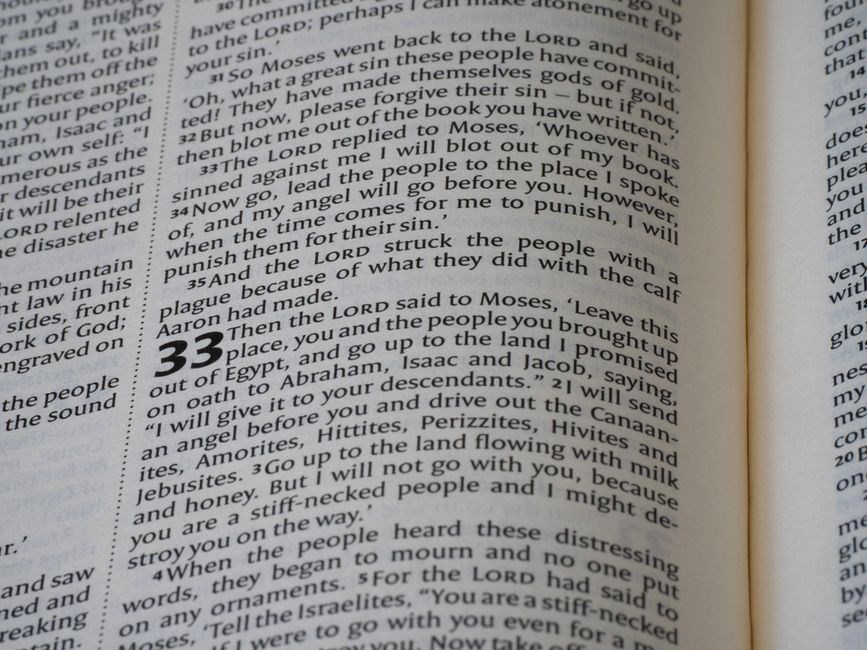
The PDF list details each plague: water turned to blood‚ frogs‚ lice‚ flies‚ livestock death‚ boils‚ hail‚ locusts‚ darkness‚ and death of firstborns․ It highlights divine judgment and Pharaoh’s stubbornness‚ culminating in Israel’s deliverance․ Faith fuels hope guiding steps forwar
Exodus 7-12
In the PDF compilation‚ the section covering Exodus chapters 7 through 12 focuses on the sequence of divine interventions that culminated in the liberation of Israel․ The narrative begins with the first plague‚ the transformation of the Nile’s waters into blood‚ and proceeds through a series of escalating calamities: swarms of frogs‚ infestations of gnats and flies‚ the death of livestock‚ painful boils‚ hailstorms‚ locust invasions‚ and a blanket of darkness․ Each event is cataloged with its biblical reference‚ the nature of the affliction‚ and the theological significance attributed to scholars․ The final plague‚ the death of the firstborn‚ is presented as the decisive act that compelled Pharaoh to release the Israelites․ The PDF emphasizes the pattern of divine judgment‚ the repeated refusal of Pharaoh‚ and a narrative device that underscores themes of faith‚ obedience‚ and deliverance․ Scholars note that the miracles serve both as a demonstration of divine power and as a narrative device that underscores themes of faith‚ obedience‚ and deliverance․
Lorem ipsum dolor sit amet‚ consectetur adipiscing elit․ Sed do eiusmod tempor incididunt ut labore et dolore magna aliqua․ Ut enim ad minim veniam‚ quis nostrud exercitation ullamco laboris nisi ut aliquip ex ea commodo consequat․ The narrative underscores the divine sovereignty and the covenantal promise‚ illustrating faithfulness across generations!!!
The account emphasizes the covenantal promise‚ illustrating divine faithfulness and the enduring covenantal covenant․!!
Manna from Heaven
In the PDF!! list‚ manna appears as a divine provision: a fine‚ white‚ substance that fell from the sky‚ sustaining Israelites during the 40‑year desert sojourn․ Scholars note its daily appearance‚ its taste like wafers‚ and its role as a test of faith and obedience․ Faithful․ Trust!
Exodus 16
In the Old Testament PDF catalog‚ Exodus 16 is highlighted as the miraculous provision of manna from heaven‚ a fine‚ white substance that fell from the sky to sustain the Israelites during their 40‑year desert sojourn․ According to the narrative‚ the first day of the event‚ the people complained of hunger‚ and God instructed Moses to gather the food․ The next morning‚ a fine‚ flake‑like substance covered the ground‚ and the Israelites gathered it in a manner that resembled a harvest of wheat․ The description emphasizes that the manna tasted like wafers baked with honey‚ and it was stored in the people’s tents‚ providing daily sustenance․ The text notes that the Israelites were instructed to gather only what they needed for that day‚ except on the sixth day‚ when they were commanded to collect twice as much to prepare for the Sabbath․ The narrative also records that the manna remained fresh until the seventh day‚ when it turned into a foul‚ stinking substance if left uncovered․ The miracle is portrayed as a test of obedience‚ a demonstration of divine providence‚ and a prefiguration of the Eucharist in later Christian theology․ Scholars note that the event is central to the biblical theme of divine sustenance and covenant faithfulness‚ and it is frequently cited in theological discussions about divine intervention and the nature of miracles․ The PDF list places this miracle among the most significant Old Testament wonders‚ underscoring its importance in the narrative of Israel’s journey from bondage to freedom․ Faith․!
In the Old Testament PDF list‚ the Water from the Rock miracle is recorded as Moses striking the rock at Massah‚ producing flowing water for the Israelites in the wilderness․ This event demonstrates divine provision and covenant faithfulness‚ central to the narrative of deliverance․ and faith in God always․
Exodus 17
In the Old Testament PDF compilation‚ the miracle of Water from the Rock is catalogued under Exodus 17‚ where Moses‚ following God’s command‚ strikes the rock at Massah with his staff․ The stone bursts‚ and a spring of water gushes forth‚ sustaining the Israelites during their desert wanderings․ Scholars highlight this event as a pivotal demonstration of divine provision‚ illustrating that God can transform ordinary elements into life‑sustaining resources․ The narrative emphasizes obedience: Moses obeys the divine instruction‚ and the people receive the water‚ reinforcing the covenantal theme of faith and reliance on God’s guidance․ The miracle is also noted for its symbolic significance‚ representing the flow of divine grace and the breaking of the desert’s dryness․ In the PDF list‚ it is presented with reference to the specific verses (Exodus 17:1‑7) and is often paired with commentary on its theological implications‚ such as the assurance of God’s presence amid hardship and the promise of nourishment beyond physical means․ This entry is a key illustration of how the Old Testament records acts that transcend natural laws‚ underscoring the belief that miracles serve as tangible signs of divine intervention and support for the faithful community․ The description includes the context of the Israelites’ complaint‚ the role of Moses as mediator‚ and the subsequent covenantal reaffirmation‚ providing a comprehensive view of this foundational miracle within the broader tapestry of biblical miracles․
Bronze Serpent
The PDF list records the Numbers 21 miracle where Moses lifts a bronze serpent‚ and the afflicted Israelites drink its blood‚ healing them․ This act exemplifies divine mercy and obedience‚ reinforcing covenantal faith amid wilderness trials․ Its appearance turns fear into faith for all․ now
Numbers 21
In the “List of Miracles in the Old Testament PDF‚” the Bronze Serpent is catalogued under Numbers 21 as a pivotal divine intervention․ According to the text‚ the Israelites‚ after a long sojourn in the wilderness‚ were beset by venomous snakes that bit many of them․ The people cried out to Moses‚ who in turn appealed to God for relief․ The Lord instructed Moses to fashion a bronze serpent and set it upon a pole․ Anyone who looked upon the bronze serpent would be healed from the snakebite․ This episode is recorded as a clear demonstration of God’s mercy and the power of obedience․ The miracle is often cited as a prefiguration of later Christian symbolism‚ where the bronze serpent is seen as a foreshadowing of the crucifixion and the salvation offered through faith․ The PDF list places this event among the most profound signs‚ noting that it served both as a literal cure for the afflicted and as a theological lesson on the necessity of faith in divine commands․ Scholars reference this miracle to illustrate the interplay between human suffering and divine intervention‚ emphasizing that even in moments of extreme distress‚ the covenantal promise remains active․ The narrative also highlights Moses’ role as mediator‚ reinforcing his leadership and the covenantal bond between God and Israel․ In summary‚ the Bronze Serpent miracle stands as a testament to divine compassion‚ the efficacy of faith‚ and the enduring covenantal relationship that defines the Old Testament’s moral and theological framework․
The event is also referenced in rabbinic literature‚ where it is interpreted as a lesson on the importance of trust and the dangers of complacency․ The bronze serpent’s placement on a pole symbolizes the elevation of faith above the physical remedies‚ encouraging believers to look beyond the immediate to the divine plan that sustains them through trials․ This narrative continues to inspire faith leaders‚ reminding them that divine guidance can turn the darkest moments into a beacon of hope today everywherefor us․
Sun Standing Still
In the PDF list‚ the Sun Standing Still is noted as a divine pause during Joshua’s campaign․ The sun halted‚ granting extra daylight to defeat the Amorites․ Scholars view it as a sign of divine favor‚ illustrating God’s control over nature in the Old Testament miracle catalog․
Joshua 10
In the compiled PDF list of Old Testament miracles‚ Joshua 10 is highlighted for the extraordinary event where the sun and moon were suspended‚ allowing the Israelites to secure victory over the Amorite kings․ Scholars interpret this as a divine intervention that extended daylight‚ enabling the Israelites to defeat their enemies․ The miracle is recorded in Joshua 10:12‑14 and is often cited as evidence of God’s direct involvement in warfare․ The text emphasizes the sun’s stillness‚ the moon’s pause‚ and the extended daylight that “was as if the sun had stopped‚” illustrating divine control over celestial bodies․ This event is frequently referenced in theological discussions about divine providence and the power of faith‚ and it appears in various biblical commentaries and miracle catalogs‚ including the PDF compilation by Dr․ Wilfred Graves Jr;
The PDF catalog presents Joshua 10 in a concise entry‚ noting the celestial phenomenon and its theological implications․ It cites Joshua 10:12‑14 and cross‑references other miracle compilations‚ emphasizing the event’s role in Israel’s covenant narrative and its enduring relevance for contemporary faith studies․
The PDF catalog lists Joshua 10‚ noting the sun’s pause and its theol significance․ It cites Joshua 10:12‑14‚ cross‑references other miracle compilations‚ and highlights the event’s role in Israel’s covenant narrative and its relevance for faith studies!